How to Build an AI Agent Strategy for Your Company
An AI agent strategy shouldn’t begin with the goal of creating a digital employee. It should begin with a specific business process containing repetitive…
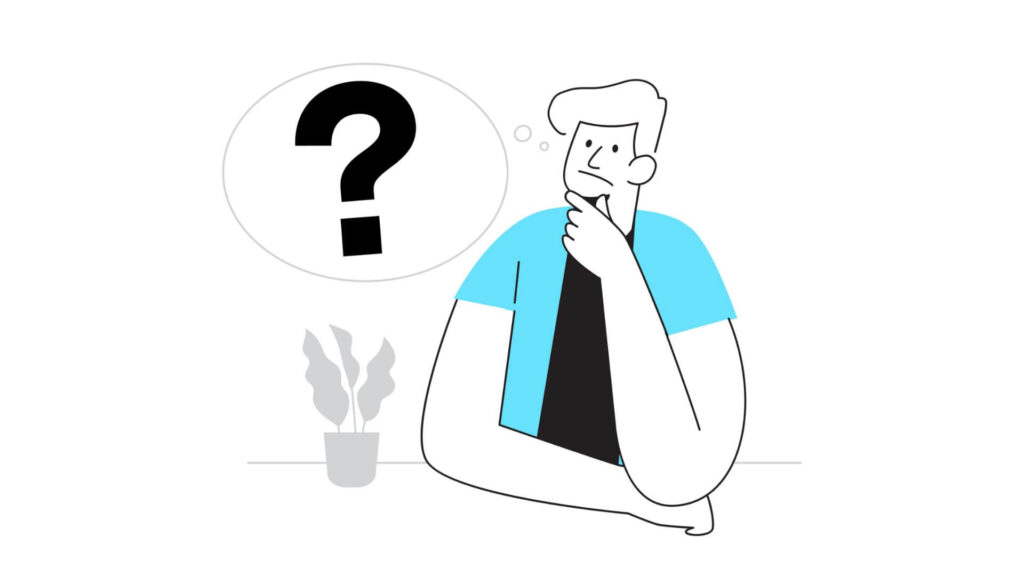
Diving into the ocean of internet slang, where abbreviations are the waves, one might wonder if we’re evolving or devolving our communication. Amidst the sea of acronyms that flood our screens, WDYM meaning in text emerges…
It’s not just another set of letters to decode but a testament to our dedication for speed over clarity. So, before you accept this as the new norm, let’s take a moment to think – are we too lazy to write, or just too busy to care? Read more!
In internet slang, “WDYM” is commonly used across social media and in texting. It stands for “What Do You Mean?” It’s a quick way to ask for clarification or express confusion about something someone said online or in a message.

When a friend posts something ambiguous on social media platforms, “WDYM” can be your go-to for clarification.
It’s perfect for those moments when you’re scrolling through your feed and stumble upon a post or story that leaves you scratching your head, wondering about its true intent or meaning.
Text messaging thrives on brevity, but sometimes at the cost of clarity.
If you receive a message that’s vague or incomplete, replying with “WDYM” is a straightforward way to prompt your friend for more details without misinterpreting their initial message.
Online chats, especially those peppered with acronyms and internet slang, can sometimes feel like deciphering code.
If someone uses an acronym you’re not familiar with, asking “WDYM” can save you a trip to a search engine and keep the conversation flowing smoothly.
Direct messaging on social media websites or apps is a hub for informal communication.
If you’re in the midst of a discussion and the other person makes a statement that’s unclear, “WDYM” is a concise way to seek immediate clarification without derailing the conversation’s pace.
Group chats or online conversations involving several people can quickly become confusing, with multiple threads of discussion happening at once.
If you lose track or can’t follow a specific point, “WDYM” helps you ask for clarification without interrupting the flow for everyone else.
Social media platforms are breeding grounds for new phrases and slang.
If you come across a term or abbreviation that’s new to you, using “WDYM” not only helps you understand the current conversation but also keeps you updated with evolving online language. In some cases, when slang or shorthand is tied to different cultures or regions, translation services can help clarify the meaning even further.

Avoid using “WDYM” in formal settings or professional communication.
The casual nature of this acronym doesn’t align with the tone expected in business emails, reports, or during formal presentations.
Stick to clear, full-sentence questions to maintain professionalism and ensure your message is understood without confusion.
In situations where precise language is necessary—such as legal discussions, medical advice, or technical support—relying on “WDYM” can lead to misunderstandings.
Opt for explicit questions to avoid ambiguity and ensure accurate information exchange.
If you’re discussing a sensitive topic or providing support to someone, using “WDYM” might come across as dismissive or inattentive.
In these contexts, showing empathy and understanding through carefully chosen words is crucial for maintaining trust and openness. When conversations get complex or emotionally charged, it helps to slow down and ensure clarity. If you’re trying to understand long or nuanced messages, using a summary generator can help you digest the key points before replying.
Not everyone is versed in internet acronyms.
When communicating with individuals who may not be familiar with such abbreviations—like some older adults or those less exposed to online culture—using “WDYM” could add unnecessary confusion.
Clear language fosters better understanding.
Platforms like LinkedIn prioritize professional networking and career development. Using “WDYM” in comments or messages could undermine your professional image.
It’s better to use formal language that reflects your professional demeanor.
First impressions are vital, whether you’re reaching out to a potential employer, client, or making a new acquaintance online — just as in the workplace, where tools like employee recognition software help create positive first impressions and lasting connections between teams.
Using “WDYM” too early in your communication might not convey the right level of seriousness or interest. Opt for more formal inquiries to establish a positive initial connection.

When a friend tells you something unclear, “WDYM” is perfect for casual, quick clarifications.
It’s best used among peers who are accustomed to internet slang and understand the shorthand nature of such acronyms, ensuring the conversation remains fluid without any formal barriers.
“WDYM” has gained popularity for its convenience in informal communication. It’s ideal for text messaging, online chats, and social media where brevity is valued.
This shortened version of asking for clarification fits well within the fast-paced nature of digital conversations.
In environments where speed is key, combining “WDYM” with other acronyms can streamline communication.
However, ensure that the context is appropriate and that the recipient understands these abbreviations to avoid confusion and maintain the flow of conversation.
While “WDYM” is a handy tool for seeking clarification, providing some context or referring to a specific part of the conversation can help elicit a more accurate response.

“For example, when writing on a browser, services like advertising manage to respond with data links. Note, explain in lowercase on any site definition, talking about how to manage this.”
This practice enhances understanding and ensures that the answer you receive is directly related to your query.
“WDYM” is best suited for instances where you need a quick clarification on a minor point. It’s not ideal for complex questions or situations requiring detailed explanations.
For these, more explicit inquiries might be more effective in eliciting the detailed response you need.
Before dropping “WDYM” in a conversation, consider the familiarity of your audience with internet slang.
While it’s a commonly spelled acronym among younger users and on casual platforms, it might not be suitable for all settings or recipients, especially in professional or cross-generational communications.
In conclusion, “WDYM” is a versatile phrase that has found its niche.
While it offers convenience and speed, understanding when and how to use it can enhance your interactions across various digital platforms.
Whether you’re engaging in casual talks, navigating social media, or managing online content, being mindful of your audience and the context ensures that your message is both clear and appropriate.
WDYM stands for “What Do You Mean?” and IDK means “I Don’t Know.” Both are commonly used in texting and online chats.
WYD means “What You Doing?” on Snapchat, used to inquire about someone’s current activity.
On Instagram, WDYM is the full form of “What Do You Mean?” used for clarification in comments or direct messages.
WDYM’s first use isn’t precisely dated, but it gained popularity with the rise of online communication and texting in the early 2000s.

An AI agent strategy shouldn’t begin with the goal of creating a digital employee. It should begin with a specific business process containing repetitive…
The first draft arrived in forty seconds. It was grammatically clean, correctly formatted and almost completely forgettable. Every paragraph sounded plausible. None contained a…
WordPress gives you plenty of freedom to build a website that fits your business. Choosing plugins is where things get complicated. A simple company…